A world-leading university where science never stands still
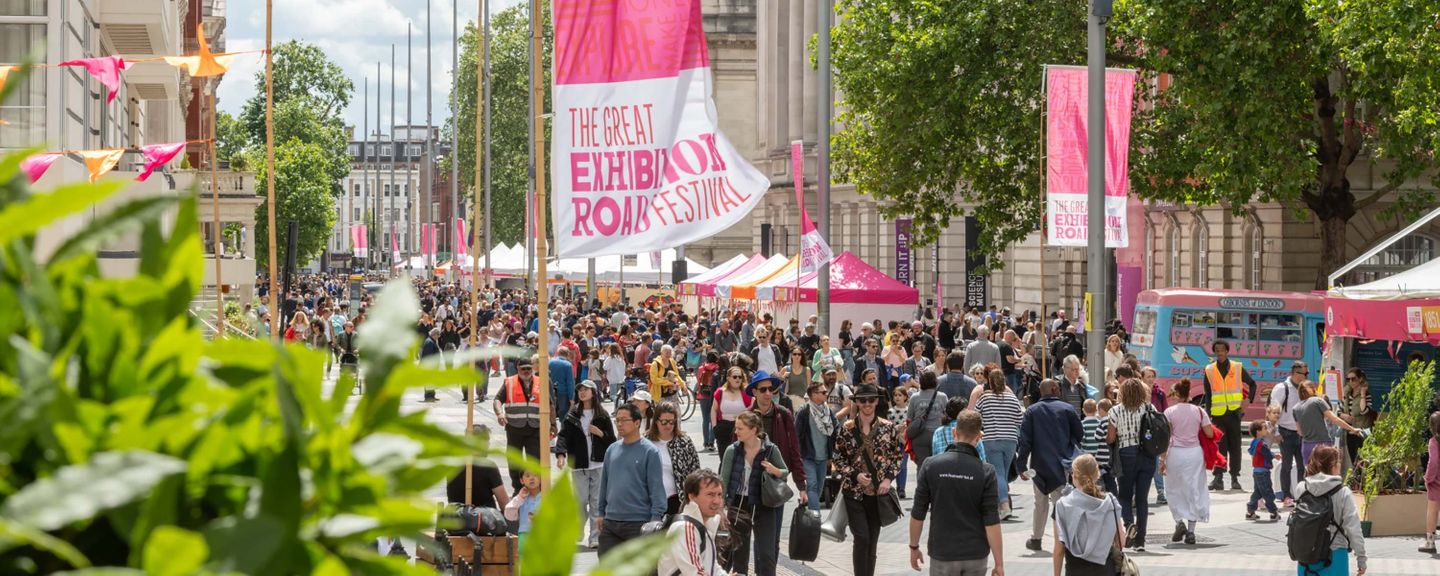
Event
The Great Exhibition Road Festival 2025
Join us as Exhibition Road comes to life celebrating live science, technology, music, dance, art and more on 7 and 8 June 2025. The festival is free and family-friendly.
Find out more and register for updatesMore news
Read more newsImperial is a global top ten university in London
View other league table rankings
Ranked No.1 in Europe
QS World University Rankings, 2025
Ranked No.2 in the world
QS World University Rankings, 2025
Gold Award
Teaching Excellence Framework 2023
University of the Year for graduate employment
The Times and Sunday Times Good University Guide 2025
Science for humanity
How we shape the future – for our students, our community, our planet and everyone who calls it home. Read our Strategy.
/fit-in/720x9999999/prod01/channel_3/media/images/square-2000X2000/JasonHawkes-631453-2000X2000.jpg)
Our strategic goals
Find out more about Science for Humanity

Every day, we are inspired to see Imperial students, colleagues, and partners come together to interrogate the forces that shape our world and address the challenges facing humanity and our planet. Professor Hugh Brady President of Imperial College LondonFind out more about Imperial
Support Imperial with a gift today
A gift to Imperial can provide vital bursaries, scholarships and a lifeline to a student in financial difficulty.